
The Ultimate Guide to Cliff Diving: Training, Recovery, and More

Introduction to Cliff Diving
Cliff diving is one of the most exhilarating and extreme sports, blending fear, skill, and beauty in equal measure. It requires strength, agility, and precise technique to jump off towering cliffs and make a splash into the water below. Whether you're an experienced diver or just starting, this guide will help you improve your performance, from training and recovery to nutrition and mindset.
Training for Cliff Diving
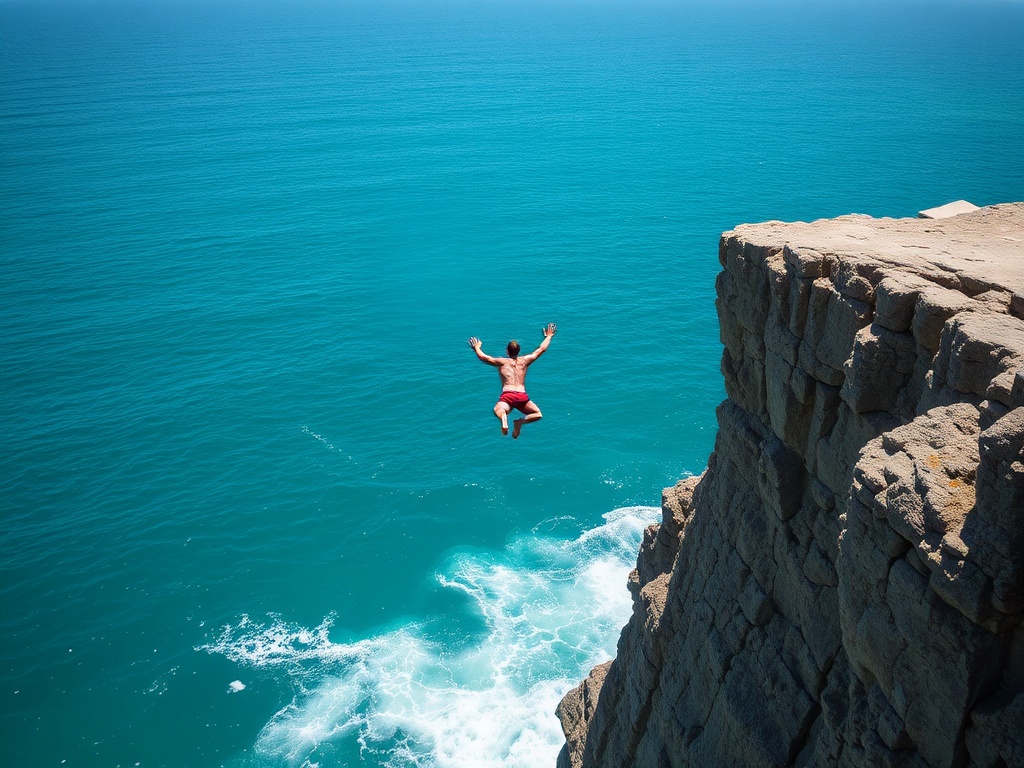
Training for cliff diving goes beyond just jumping off cliffs. It's essential to build strength, flexibility, and mental toughness. Below are key training areas for beginners and experienced divers alike.
Strength and Conditioning
Building strength in your core, legs, and upper body is critical. Core exercises like planks and leg raises help you maintain control while diving, while leg exercises like squats and lunges increase your power to jump higher.

Flexibility and Mobility
Flexibility is essential for your body to move fluidly during a dive. Focus on stretches that enhance hip flexibility and shoulder mobility, which are vital for entering the water cleanly.
Stamina and Endurance
While you don’t need to run marathons, having good cardiovascular endurance can help you perform repeated dives without losing power. Swimming is an excellent exercise to build stamina for cliff diving.
Recovery & Mobility
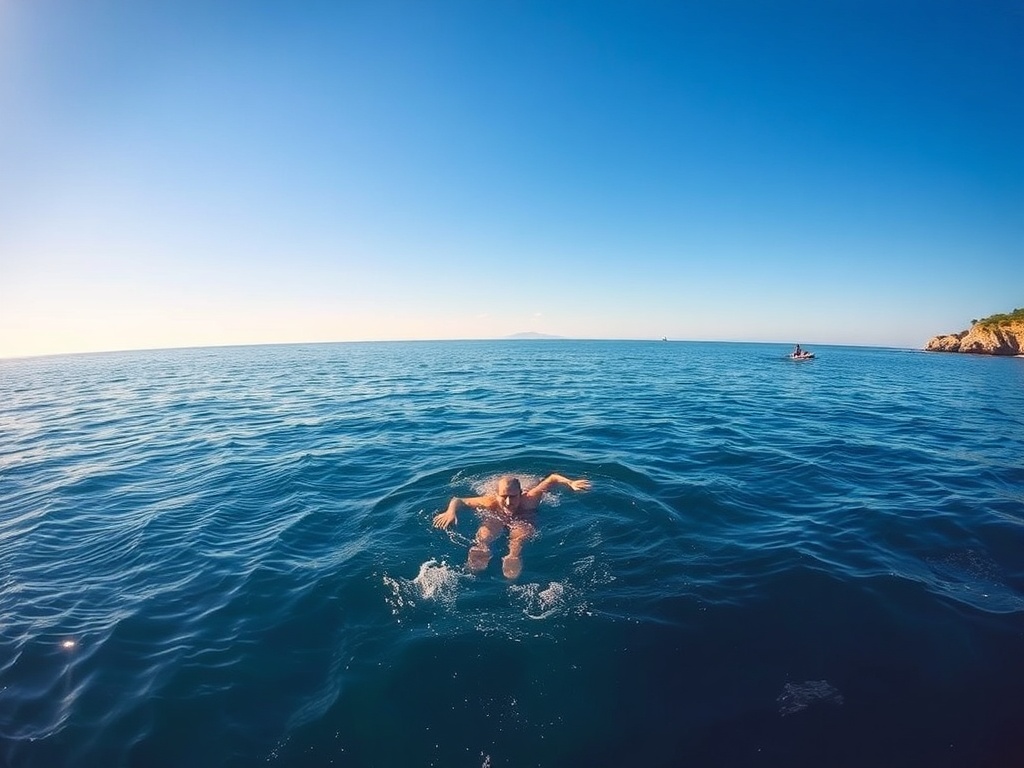
Recovery is just as important as training. After the intense physical strain of cliff diving, it's essential to give your muscles and joints time to recover. Here are some essential recovery strategies:
Stretching
Post-dive stretching reduces muscle tightness and helps maintain flexibility. Incorporate dynamic stretches before dives and static stretches after.
Foam Rolling
Foam rolling helps release muscle tension, improve blood flow, and speed up recovery. Focus on your legs, hips, and back after your training or dives.
Rest and Hydration
Your body needs rest to rebuild. Ensure you're getting sufficient sleep and hydrating properly to replenish lost fluids.

Nutrition & Fuel
Your performance and recovery in cliff diving heavily depend on what you fuel your body with. Proper nutrition can enhance your energy levels, endurance, and recovery.
Protein for Muscle Repair
Protein is essential for muscle recovery. Include lean meats, eggs, legumes, and protein shakes in your diet to help muscles repair after intense diving sessions.
Carbohydrates for Energy
Cliff diving is energy-intensive, and carbs are your body's primary fuel source. Whole grains, fruits, and vegetables are excellent choices to maintain energy levels.
Hydration
Staying hydrated is crucial, especially when engaging in strenuous physical activity. Dehydration can negatively affect your strength and stamina, so drink plenty of water throughout the day.

Mindset and Longevity
The mental aspect of cliff diving is just as important as the physical. You must stay focused, confident, and calm, especially when faced with intimidating heights.
Developing Mental Toughness
Cliff diving requires overcoming fear. Through visualization, mindfulness, and positive affirmations, you can build the mental strength needed to take the leap.
Longevity in the Sport
Staying in the sport for the long term requires attention to injury prevention and mental well-being. Listen to your body, manage stress, and don’t rush your progress.
Conclusion
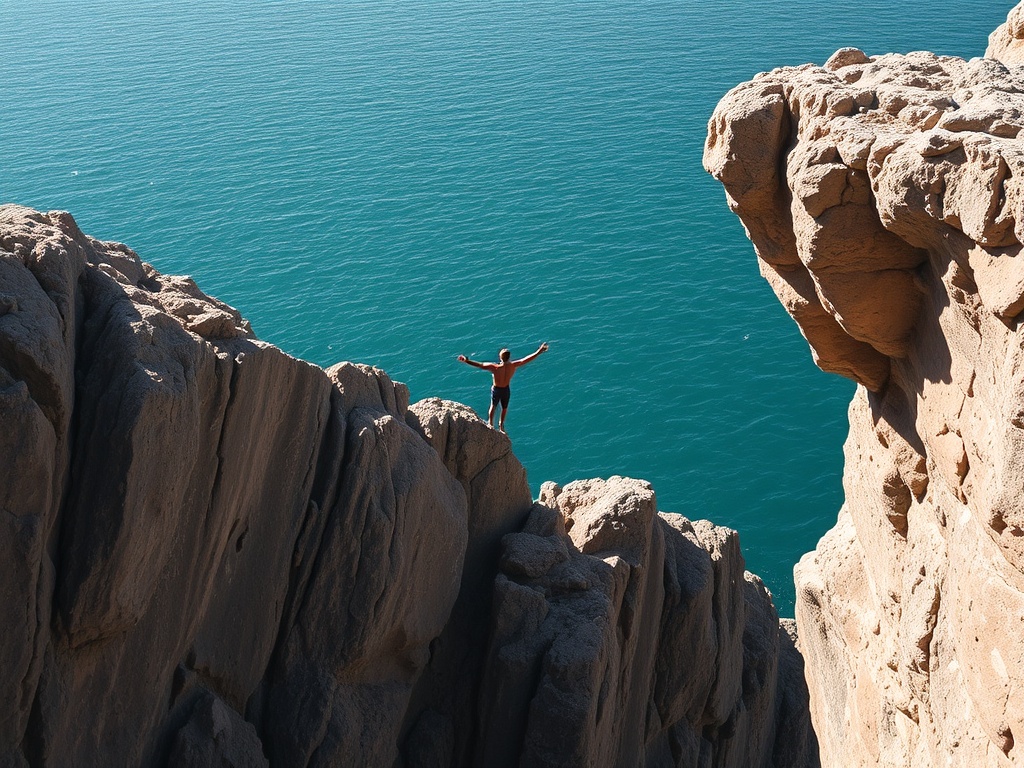
Cliff diving is an intense, exciting sport that requires dedication to training, recovery, and mindset. With the right approach to fitness, nutrition, and mental toughness, you can improve your performance and enjoy this extreme sport for years to come.