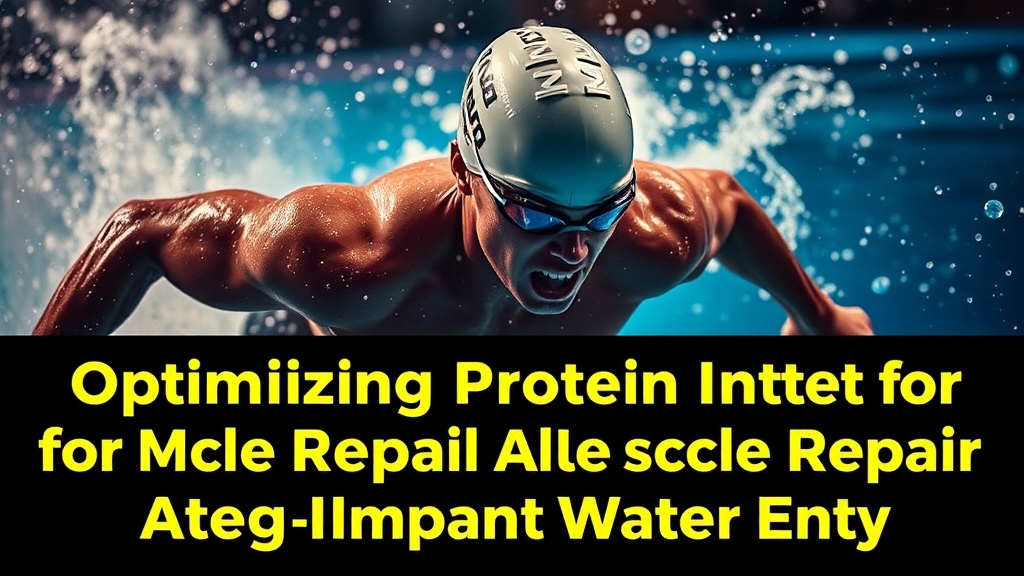
Optimizing Protein Intake for Muscle Repair After High-Impact Water Entry

Why does protein matter after a high-impact jump?
Ever wondered why your muscles feel heavy and unresponsive a day after a heavy training session? When you hit the water from significant heights, your body isn't just dealing with the physical shock—it's dealing with microscopic tears in muscle tissue and systemic stress. This post covers how to structure your protein intake to ensure your body actually repairs itself rather than just staying in a state of constant breakdown. If you want to stay in the air and out of the physical therapy clinic, you need to understand the timing and quality of what you eat.
The impact of hitting water at high speeds acts like a heavy eccentric load. It’s not just the gravity; it’s the sudden deceleration that causes micro-trauma to your muscle fibers. Without the right building blocks, your recovery stalls. This isn't just about hitting a daily number; it's about when and how that protein enters your bloodstream to facilitate repair.
How much protein do I actually need for recovery?
Most athletes under-calculate their needs because they focus on the weight-lifting aspect and ignore the high-impact aspect. For those of us pushing the limits of extreme sports, the metabolic demand is much higher. You aren't just building mass; you're rebuilding structural integrity. A general baseline for high-intensity athletes often falls between 1.6 to 2.2 grams of protein per kilogram of body weight. If you're training for high-impact water entries, you might even need to lean toward the higher end of that scale to offset the inflammatory response from the impact.
Don't just rely on one massive steak at dinner. Your body can only process so much at once. A more effective way to ensure constant repair is to spread your intake throughout the day. Think of it as a slow drip of amino acids rather than a sudden flood. This keeps your body in an anabolic (building) state rather than a catabolic (breaking down) state. If you're constantly in a catabolic state, your reaction times will suffer, and your risk of injury climbs.
When is the best time to eat protein after a jump?
There is a significant window after a high-impact event where your muscles are primed for nutrient uptake. While the "anabolic window" isn't as narrow as some older studies claimed, for extreme athletes, the timing still carries weight. Consuming a high-quality protein source within 45 to 60 minutes of a session can help kickstart the repair process. This is especially true if you’ve just finished a session that involved multiple high-altitude entries.
Pairing your protein with a fast-acting carbohydrate can actually help. The insulin spike from the carbohydrate helps drive those amino acids into the muscle cells more effectively. It’s not just about the protein alone—it's about the delivery mechanism. If you're too depleted of glycogen (energy), your body might even start burning protein for fuel instead of using it for repair. That's the last thing you want when you're trying to stay sharp for your next jump.
What are the best protein sources for extreme athletes?
Quality matters more than quantity. A low-quality protein source might provide the basic amino acids, but it won't provide the micronutrient profile needed to combat the systemic inflammation that follows high-impact training. Look for complete protein sources that contain all nine essential amino acids. This includes animal-based sources like eggs, lean meats, and fish, but doesn't exclude high-quality plant-based options if you're careful about combining them.
Consider the following breakdown of protein types for your recovery toolkit:
- Whey or Soy Isolate: Fast-absorbing, great for immediate post-session use.
- Casein: Slow-digesting, perfect for taking to bed to prevent muscle breakdown overnight.
- Lean Poultry and Fish: Provides a steady stream of amino acids and essential fats.
- Legumes and Quinoa: Great for sustained energy and plant-based nitrogen.
For more detailed scientific breakdowns on nutrient timing, you can check out the resources at the ScienceDirect database or look into the guidelines provided by the National Institutes of Health (NIH). These sources provide much deeper technical data on how amino acid profiles affect muscle protein synthesis (MPS).
Remember, your body is your most important piece of equipment. If you're neglecting the nutritional side of the equation, you're essentially trying to fly a plane with a damaged engine. The impact of the water is only half the battle; the real work happens in the kitchen and the recovery room. If you aren't feeding the repair, you won't be ready for the next jump. Stay consistent, stay fueled, and watch how your performance shifts when your recovery is actually optimized.