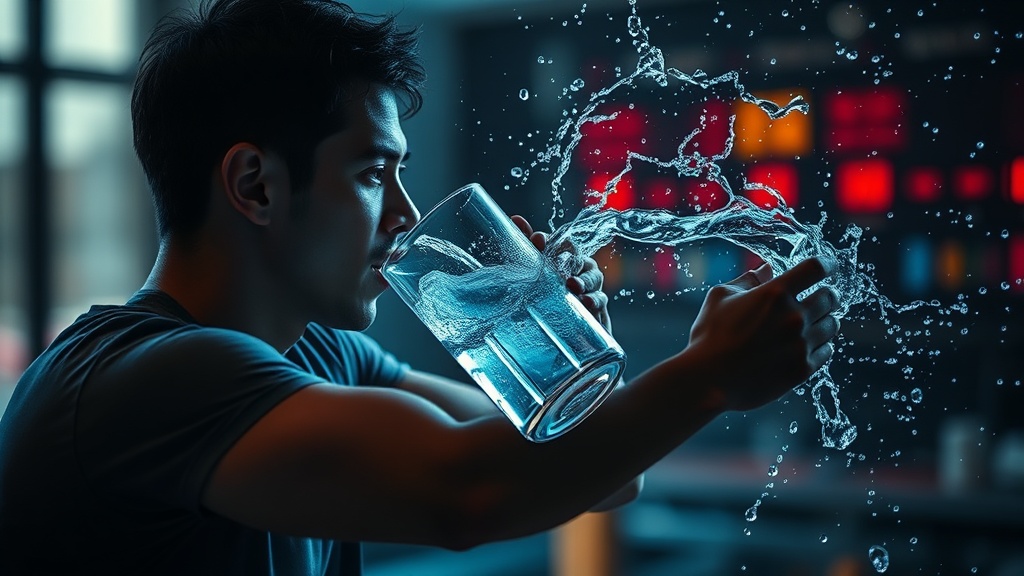
Hydration Strategies for Peak Mental Focus

Quick Tip
Prioritize electrolyte-rich fluids over plain water to maintain neural signaling and cognitive sharpness.
Most athletes think hydration is just about quenching thirst or preventing muscle cramps. That's a mistake. In high-stakes sports like cliff diving, dehydration hits your brain long before it hits your muscles. If you lose even 2% of your body mass through sweat, your reaction time and spatial awareness tank. This post looks at how to manage fluid intake to keep your cognitive processing sharp when you're staring down a drop.
How much water do I actually need before a jump?
You should aim to drink roughly 500ml of water two hours before your activity to ensure your cells are actually primed. It isn't just about the volume; it's about the timing. If you chug a liter right before you climb the cliff, you'll just feel heavy and uncomfortable.
The goal is steady absorption. I usually carry a Hydro Flask to sip on throughout the morning so I'm not playing catch-up once the adrenaline hits. (Trust me, a sloshing stomach is the last thing you want when you're trying to focus on your entry.)
If you're training in high heat, plain water might not be enough. You need to replace electrolytes to keep your nervous system firing correctly. Check the CDC guidelines on water and electrolytes if you're worried about salt loss during long sessions.
What are the best ways to stay hydrated during training?
The best way to stay hydrated is through a combination of consistent water intake and targeted electrolyte replacement. Don't wait until you feel parched to start drinking. By then, your brain is already operating in a deficit.
I've found that different types of fluids serve different purposes depending on the intensity of the session:
- Plain Water: Best for low-intensity movement or short breaks.
- Electrolyte Drinks (like Liquid I.V. or Nuun): Essential when you're sweating heavily or training in the sun.
- Coconut Water: A great natural way to get potassium back into your system.
It's also worth noting that your mental state relies on more than just fluids. If your focus is drifting, you might need to look at your mental resilience training to see if fatigue is playing a role. Sometimes, a lack of focus is a physical signal, not just a mental one.
Does caffeine affect my focus or my hydration?
Caffeine can boost alertness, but it also acts as a mild diuretic and can increase your heart rate too much if you overdo it. If you use it, keep the dosage consistent and pair it with plenty of water to offset the dehydration risk.
I've seen people try to use coffee to "wake up" before a big jump, but it often leads to jitters—the absolute enemy of a clean, controlled descent. If you want to keep your movements precise, stick to what your body knows. You can read more about managing your descent to see how breathwork can actually stabilize your focus better than a caffeine spike ever could.
| Fluid Type | Primary Benefit | Best Use Case |
|---|---|---|
| Water | Basic Hydration | General daily intake |
| Electrolyte Mix | Nervous System Support | High-heat or long sessions |
| Coconut Water | Potassium Replenishment | Post-training recovery |